
You Drive Without Owning — DHSMV Still Requires FR-44
You lost your license after a DUI conviction. You don't own a vehicle — you sold it, it was repossessed, or you never owned one in the first place. You borrow cars from family or friends, rent when you need to, or rely on someone else's vehicle for your work commute. Florida's DHSMV sent you a reinstatement checklist requiring proof of FR-44 insurance, and you assumed that filing was for vehicle owners only. It's not.
Florida is one of two states requiring FR-44 certificates for DUI-related license reinstatement rather than standard SR-22 forms. FR-44 mandates higher liability limits: $100,000 bodily injury per person, $300,000 per accident, $50,000 property damage. The requirement applies to drivers, not vehicles — DHSMV tracks the driver's compliance status regardless of vehicle ownership. Non-owner FR-44 policies exist specifically for this situation. You're not trying to insure a car you don't have; you're filing proof that you carry liability coverage when you do drive.
Compare car insurance rates in your state
Get quotes from licensed carriers — no obligation, no spam, results in minutes.
Get Your Free QuoteFlorida FR-44 Liability Minimums
$100k/$300k/$50k
Standard SR-22 states require 25/50/25 or 30/60/25 minimums. Florida's FR-44 mandates substantially higher limits — 100/300/50 — making it one of the most expensive filing programs in the country for DUI offenders.
Florida Statutes § 324.0221
Non-Owner Policies Cover You, Not a Specific Vehicle
A non-owner auto insurance policy provides liability coverage when you drive a vehicle you don't own and that isn't regularly available to you. It does not cover damage to the borrowed vehicle itself — that's the owner's responsibility through their policy. It covers your liability if you cause an accident: bodily injury to others, property damage, legal defense if you're sued. The policy follows you as the named driver, not a specific VIN.
Florida allows non-owner policies to carry FR-44 certificates. The carrier files the FR-44 form electronically with DHSMV, certifying that you maintain continuous liability coverage at the required 100/300/50 limits. DHSMV does not require you to list a vehicle registration. The filing proves you won't drive uninsured — the core purpose of Florida's financial responsibility law.
When you borrow a car, the owner's policy is primary. Your non-owner policy acts as secondary or excess coverage if the owner's limits are exhausted or if the owner's policy denies coverage for a permissive-use exclusion. Most borrowed-vehicle situations are covered under the owner's policy, but DHSMV doesn't care about claim mechanics — they care that you maintain an active FR-44 filing for the full 3-year monitoring period post-reinstatement.
DHSMV will suspend your reinstated license again if your non-owner FR-44 policy lapses at any point during the 3-year monitoring window, even if you never filed a claim.
Carriers Writing Non-Owner FR-44 in Florida
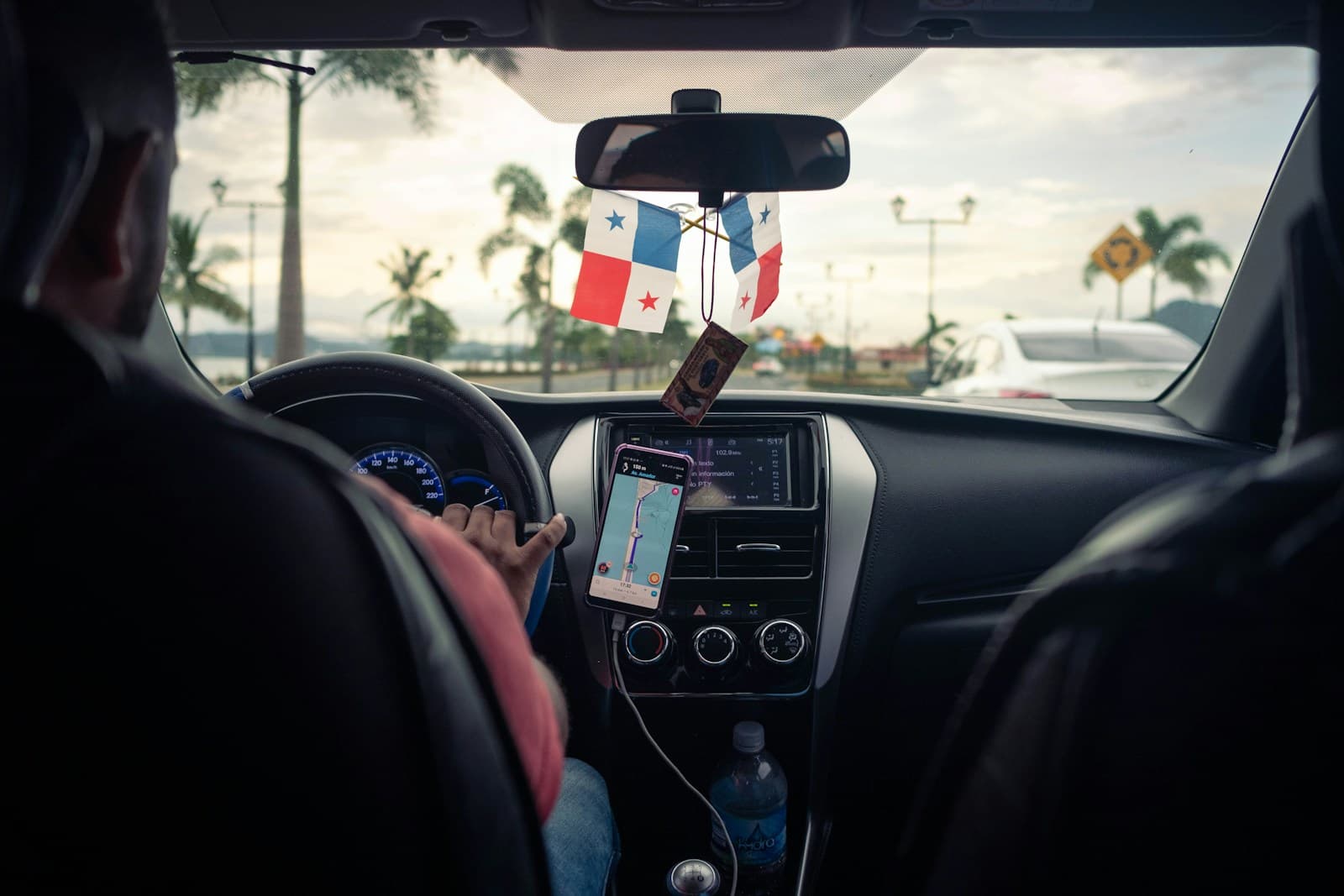
Geico, Progressive, and The General write non-owner policies with FR-44 filing capability in Florida. Monthly premiums for non-owner FR-44 policies typically range from $125 to $185 per month depending on your conviction date, age, and county. These carriers file electronically with DHSMV via the Florida Insurance Tracking System. You can request quotes online or by phone; non-owner policies do not require a VIN at application.
Dairyland, Bristol West, and Acceptance Insurance are non-standard carriers specializing in high-risk driver coverage and confirmed FR-44 filers. Monthly costs are similar — $130 to $200 per month for non-owner FR-44 policies. Non-standard carriers are often willing to write policies closer to the conviction date, whereas standard carriers may impose waiting periods of 6 to 12 months post-conviction before offering non-owner coverage.
Related Articles





Filing Process and Timing Windows
You purchase the non-owner policy first. The carrier files the FR-44 certificate with DHSMV electronically within 1 to 5 business days of policy activation. DHSMV's system updates your driver record to show active FR-44 compliance. You do not need to visit a DHSMV office to submit paperwork — the carrier handles the filing.
If you're reinstating after a DUI suspension, you must satisfy Florida's hard suspension period before DHSMV will accept your FR-44 filing. First DUI offense: 30-day hard suspension for BAC administrative suspension, 90 days for refusal suspension. During the hard period, DHSMV will not issue a Business Purpose Only License and will not accept FR-44 filings. The non-owner policy must be active and filed after the hard period ends and before you apply for reinstatement or a hardship license.
Once your license is reinstated, the 3-year FR-44 monitoring period begins. If your non-owner policy lapses or is cancelled, the carrier notifies DHSMV electronically via the Florida Insurance Tracking System within 24 hours. DHSMV suspends your license again immediately — no grace period, no warning letter. Reinstatement after an FR-44 lapse requires paying a new reinstatement fee ($150 for first lapse, $250 for second, $500 for third within 3 years) and re-filing FR-44 with a new policy.
Non-owner policies are month-to-month or 6-month term contracts. Most carriers do not require annual commitment. You must maintain continuous coverage for the full 3 years even if you stop driving borrowed vehicles during that period. DHSMV does not track whether you actually drive — they track FR-44 filing status only.
Florida FR-44 Monitoring Period
3 years
DHSMV requires continuous FR-44 filing for 3 years following DUI reinstatement. The monitoring period starts from your reinstatement date, not your conviction date. If your policy lapses at any point during those 3 years, your license is suspended again and the monitoring period resets when you reinstate.
Florida Statutes § 322.28
When Non-Owner Policies Don't Work
A non-owner policy does not cover vehicles registered in your name. If you own a car — even if it's not drivable or you're not driving it — you need a standard auto policy with FR-44, not a non-owner policy. DHSMV cross-references vehicle registrations; if you register a vehicle while holding a non-owner policy, your FR-44 filing becomes non-compliant and DHSMV suspends your license for mismatched coverage.
Non-owner policies do not cover vehicles available for your regular use, even if you don't own them. If you live with a family member and regularly drive their vehicle, that vehicle should be listed on their policy with you as a named driver or rated driver. The non-owner policy is for occasional borrowed-vehicle use, not habitual access. Carriers can deny claims if they determine you misrepresented regular-use access as occasional borrowing.
Compare Carriers That File FR-44 for Non-Owners
Six carriers write non-owner FR-44 policies in Florida with confirmed electronic DHSMV filing: Geico, Progressive, The General, Dairyland, Bristol West, and Acceptance Insurance. Monthly premiums vary by conviction date, age, and county — quotes range from $125 to $200 per month. Standard carriers may impose waiting periods of 6 to 12 months post-conviction; non-standard carriers write policies closer to the conviction date but at higher premiums. Request quotes from at least three carriers to compare cost and filing turnaround time. All six file electronically via FITS; you do not need to submit paper forms to DHSMV. Your next step: get quotes, activate the policy that fits your budget and timeline, and confirm the carrier has filed FR-44 electronically before you schedule your reinstatement appointment.