
Why Florida SR-22 Cost Depends on Your Suspension Type
If you received a license suspension notice yesterday and searched "cheapest SR-22 insurance Florida," you need to know whether Florida actually requires SR-22 or FR-44 for your specific suspension trigger before any rate comparison makes sense. Florida is one of only two states (with Virginia) that mandates FR-44 certificates for DUI and certain aggravated violations instead of the standard SR-22 form used in 48 other states. FR-44 requires substantially higher liability limits—$100,000/$300,000 bodily injury and $50,000 property damage versus Florida's standard 10/20/10 minimums—making DUI-related "cheap" coverage 3-5 times more expensive than standard SR-22 filings for non-DUI suspensions.
The suspension notice you received from the Florida Department of Highway Safety and Motor Vehicles (DHSMV) will specify whether you need SR-22 or FR-44 filing. DUI convictions, DUI-related administrative suspensions (including implied consent refusals under FSS 322.2615), and reckless driving with serious bodily injury all trigger FR-44 requirements. Points accumulation suspensions, insurance lapse suspensions under s. 324.0221, and failure-to-maintain-insurance violations typically require standard SR-22 filing with lower liability thresholds. This structural difference means a driver comparing "cheapest" options must first identify which filing type applies—FR-44 and SR-22 are not interchangeable, and carriers price them on entirely different risk tiers.
Compare car insurance rates in your state
Get quotes from licensed carriers — no obligation, no spam, results in minutes.
Get Your Free QuoteFlorida FR-44 Minimum Limits
$100,000/$300,000/$50,000
Florida Statutes § 322.28 mandates these liability minimums for FR-44 filings following DUI conviction or administrative DUI suspension. Standard SR-22 minimums are 10/20/10—ten times lower for bodily injury coverage. This is why DUI-related filings cost substantially more.
Florida Statutes § 322.28
Non-DUI SR-22 Rates in Florida
For suspended drivers whose violation does not involve DUI, reckless driving with injury, or aggravated charges, standard SR-22 filing with Florida's minimum liability coverage (10/20/10 property damage plus $10,000 PIP) typically costs $85–$140 per month through non-standard carriers. Progressive, GEICO, and State Farm write standard SR-22 policies in Florida for points suspensions, lapse violations, and driving-without-insurance citations. Carriers add a one-time SR-22 filing fee of $15–$50 to process and submit the certificate to DHSMV electronically.
Non-owner SR-22 policies—designed for suspended drivers who do not own a vehicle but need to satisfy Florida's financial responsibility requirement—cost less than standard policies because they exclude collision and comprehensive coverage. Dairyland, The General, and Bristol West offer non-owner SR-22 policies in Florida starting at approximately $60–$95 per month. This option works for drivers reinstating after suspension who plan to drive a borrowed or employer-owned vehicle but do not yet own a car themselves.
Florida requires SR-22 filing to remain active for 3 years from the reinstatement date for most violations. If the policy lapses or cancels during this 3-year period, the carrier notifies DHSMV electronically through the Florida Insurance Tracking System (FITS), and DHSMV re-suspends the license immediately. Maintaining continuous coverage without gaps is mandatory—even a single missed payment that triggers cancellation restarts the suspension and requires paying reinstatement fees again.
If your suspension stems from DUI, you cannot use standard SR-22 rates for comparison—Florida mandates FR-44 with liability limits ten times higher.
FR-44 Requirements for DUI Suspensions
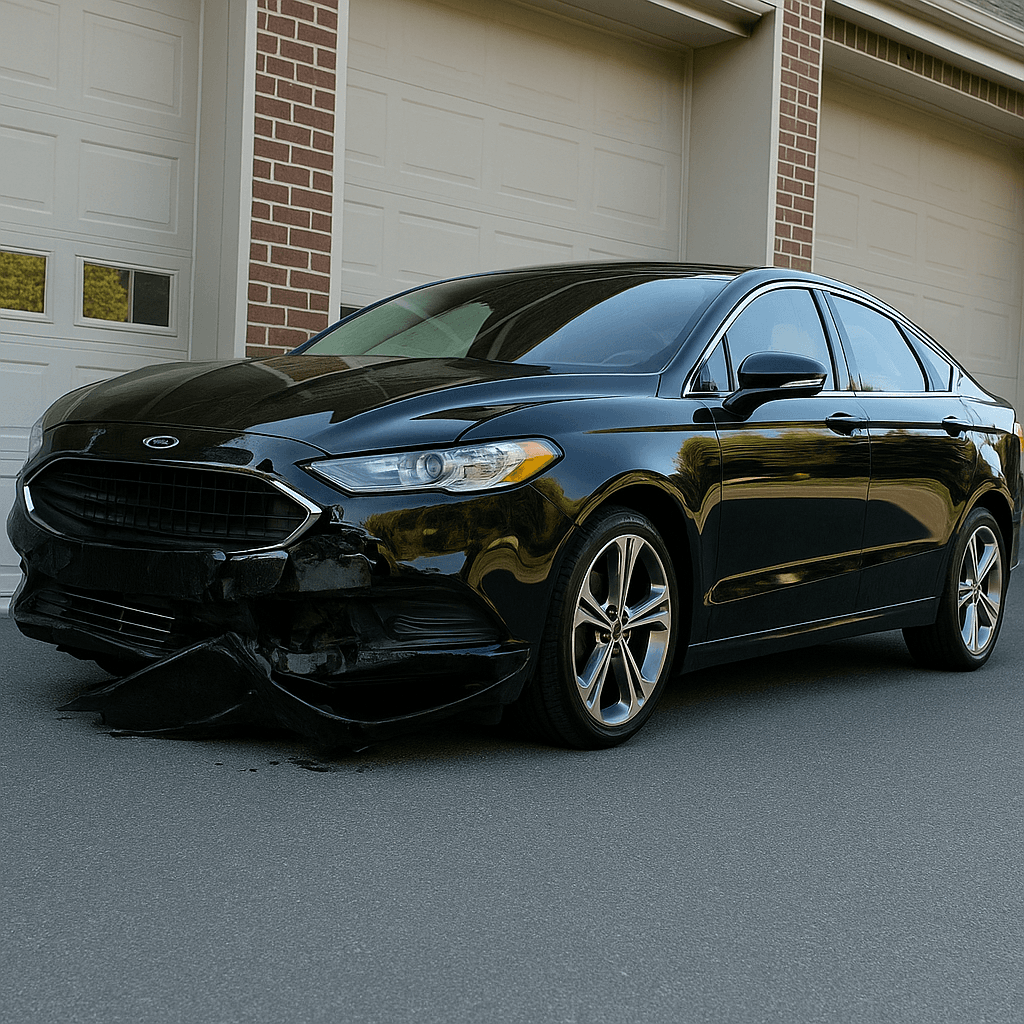
FR-44 policies require $100,000 per person and $300,000 per accident bodily injury liability, plus $50,000 property damage liability. Carriers writing FR-44 in Florida include Progressive, GEICO, State Farm, National General, Infinity, Acceptance Insurance, Bristol West, and Dairyland. Monthly premiums for FR-44 coverage typically range from $250–$450 for a first DUI offense with clean prior history, and $400–$650+ for drivers with multiple violations or accidents within the past 5 years. These rates reflect the mandatory high-limit liability coverage plus the elevated risk tier carriers assign to DUI offenders.
FR-44 filing must remain active and continuous for 3 years from the date Florida DHSMV reinstates your license. Any lapse, cancellation, or coverage gap triggers immediate re-suspension. Carriers electronically report policy status changes to DHSMV in near real-time through FITS, so missing a payment or allowing coverage to cancel creates an immediate compliance problem. Reinstatement after an FR-44 lapse requires paying Florida's reinstatement fee again ($45 base fee plus any suspension-specific fees) and submitting a new FR-44 certificate before DHSMV will restore driving privileges.
Related Articles





Carriers Writing SR-22 and FR-44 in Florida
Not every carrier writes SR-22 or FR-44 policies in Florida, and among those that do, pricing varies significantly by suspension type and driver history. Progressive, GEICO, and State Farm write both standard SR-22 and FR-44 policies statewide and offer online quoting for most suspension scenarios. Dairyland, The General, Bristol West, National General, and Infinity specialize in non-standard and high-risk coverage, including SR-22 and FR-44 filings for drivers with DUI convictions, multiple violations, or suspended license histories. These carriers typically offer more competitive pricing than preferred-tier carriers for drivers in elevated risk categories.
Acceptance Insurance and GAINSCO focus specifically on SR-22 and after-DUI coverage in Florida, positioning themselves as non-standard specialists. Preferred-tier carriers including Allstate, Nationwide, Liberty Mutual, and Travelers write FR-44 policies selectively but generally reserve capacity for drivers with isolated incidents and otherwise clean records. Amica, Auto-Owners, Farmers, Hartford, Mercury General, Southern Farm Bureau, and USAA either do not write SR-22/FR-44 in Florida or restrict eligibility significantly, making them poor targets for suspended-license quote comparisons.
When comparing carriers, request quotes specifying your exact suspension trigger and required filing type. A carrier quoting $110/month for standard SR-22 may quote $380/month for FR-44 on the same driver profile. Mixing SR-22 and FR-44 quotes in the same comparison produces meaningless results—the coverage requirements and risk tiers are structurally different.
Florida SR-22 Filing Period
3 years
Florida requires SR-22 or FR-44 filing to remain active for 3 years from the reinstatement date for most suspension types. This period is measured from when DHSMV reinstates your license, not from the suspension date or filing date. Any lapse during this 3-year window triggers re-suspension.
Florida Statutes § 324.0221
Non-Owner SR-22 Policies in Florida
Non-owner SR-22 policies satisfy Florida's financial responsibility filing requirement without insuring a specific vehicle. This option works for suspended drivers who do not own a car but need to reinstate their license to drive employer-owned vehicles, rental cars, or borrowed vehicles. Non-owner policies provide liability coverage when you drive a vehicle you do not own, and carriers file the required SR-22 or FR-44 certificate with DHSMV on your behalf.
Dairyland, The General, Progressive, GEICO, and Bristol West write non-owner SR-22 policies in Florida. Monthly premiums typically range from $60–$95 for standard SR-22 non-owner coverage, and $180–$320 for FR-44 non-owner coverage required after DUI suspensions. Non-owner policies exclude collision and comprehensive coverage because there is no owned vehicle to insure—you are purchasing only the liability protection Florida mandates for reinstatement, plus the SR-22 or FR-44 filing service.
Business Purpose Only License and Insurance Requirements
Florida offers a Business Purpose Only (BPO) hardship license for drivers suspended due to DUI, points accumulation, or certain other violations who need limited driving privileges during the suspension period. BPO licenses allow driving to and from work, school, church, medical appointments, and for business purposes of your employer—not personal errands. Eligibility requires completing specific prerequisites depending on suspension type: DUI suspensions require enrollment in a DHSMV-approved DUI program before BPO eligibility, and most DUI-related BPO licenses require ignition interlock device installation.
Obtaining a BPO license does not waive the SR-22 or FR-44 filing requirement. You must maintain continuous SR-22 or FR-44 insurance coverage throughout the BPO license period and the full suspension period that follows. DHSMV applies a $12 BPO application fee, and processing typically takes 7–10 business days after you submit proof of enrollment in required programs, the SR-22 or FR-44 certificate, employment verification, and any other documentation DHSMV specifies for your suspension type. Violating BPO restrictions—driving outside permitted purposes or times—results in immediate revocation of the hardship license and extension of the underlying suspension period.
Compare Carriers Filing in Your County
Request quotes from at least three carriers writing SR-22 or FR-44 in your Florida county, specifying your exact suspension trigger and required filing type when you contact each carrier. Provide your suspension notice or DHSMV correspondence so the carrier quotes the correct coverage limits and filing form. Carriers price SR-22 and FR-44 policies using different underwriting models, and rate differences of $50–$150 per month between carriers are common even for identical coverage—comparison shopping produces measurable savings over accepting the first quote.
Once you select a carrier and purchase coverage, the carrier files your SR-22 or FR-44 certificate with Florida DHSMV electronically, typically within 1–3 business days. DHSMV processing adds another 3–7 business days before your filing shows as compliant in their system. You can verify filing status through DHSMV's online license check portal or by calling the DHSMV reinstatement unit directly. Do not assume the filing is complete until DHSMV confirms receipt—carriers occasionally experience electronic submission errors, and catching filing problems early prevents reinstatement delays.