
Why Liability-Only SR-22 Works for Florida Reinstatement
You lost your license, the DMV says you need SR-22 filing to reinstate, and every quote you've gotten bundles it with full coverage you don't want or can't afford. The question you're asking: can I legally satisfy Florida's SR-22 requirement with liability-only coverage?
Yes. Florida statute requires proof of financial responsibility during reinstatement, not proof of comprehensive insurance. An SR-22 certificate attached to a liability-only policy meets that requirement as long as the policy carries at least Florida's minimum liability limits: $10,000 property damage and $10,000 personal injury protection. The filing proves you carry coverage that protects others if you cause an accident — it does not require protecting your own vehicle.
Compare car insurance rates in your state
Get quotes from licensed carriers — no obligation, no spam, results in minutes.
Get Your Free QuoteFlorida Liability-Only SR-22 Premium
$85–$140/month
Most suspended-license drivers in Florida pay this range for state-minimum liability with SR-22 filing. Rates climb with multiple violations, DUI history, or lapsed coverage gaps exceeding 90 days. Estimates based on available industry data; individual rates vary by driving history, county, and carrier.
What Liability-Only SR-22 Actually Covers
Liability-only SR-22 covers damage you cause to other people and their property. Florida's minimum liability requirement is $10,000 property damage liability — this pays for the other driver's vehicle repairs if you're at fault. Florida also requires $10,000 personal injury protection, which covers your own medical bills regardless of fault, but PIP is not technically liability coverage.
Liability-only does not cover damage to your own vehicle. If you wreck your car, you pay to fix it or replace it. If someone hits you and they carry liability insurance, their policy covers your vehicle damage — but if they're uninsured or underinsured, you're uncovered unless you add uninsured motorist property damage coverage to your policy.
Most suspended drivers choose liability-only because they don't own a vehicle worth protecting, they're driving an older car they can replace out-of-pocket, or they need the absolute lowest premium to satisfy the filing requirement. The filing itself costs nothing — it's a certificate the carrier sends to DHSMV electronically. The premium reflects the liability coverage and your driving record.
If you finance or lease a vehicle, the lender requires collision and comprehensive. Liability-only SR-22 only works for owned vehicles or non-owner policies.
Who Sells Liability-Only SR-22 in Florida
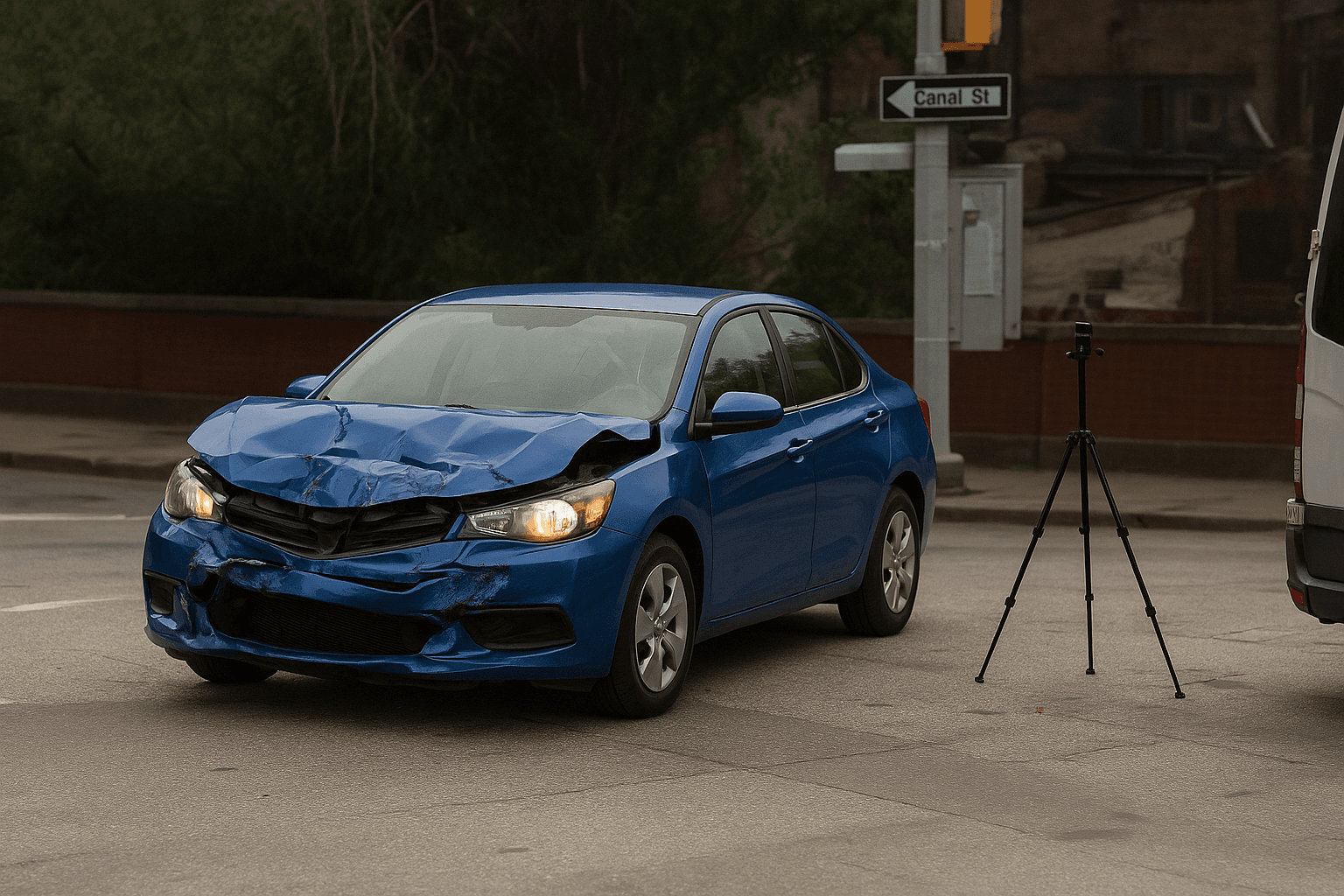
Geico, Progressive, State Farm, and Nationwide all file SR-22 certificates in Florida, but Geico and Progressive are typically more willing to quote liability-only for suspended drivers with single violations. State Farm requires underwriter approval for suspended-license applicants and often pushes higher coverage limits. USAA writes SR-22 for eligible members but requires full coverage for anyone with a DUI suspension.
Non-standard carriers like Acceptance, Bristol West, Dairyland, The General, and National General specialize in suspended-license coverage and file SR-22 electronically within 24 hours of policy binding. These carriers quote liability-only without requiring collision or comprehensive, and they don't penalize you for choosing state minimums. Acceptance and Dairyland both offer non-owner SR-22 policies if you don't have a vehicle to insure.
Related Articles






How Florida's SR-22 Filing Period Works
Florida requires 3 years of continuous SR-22 filing after reinstatement for most suspension triggers — DUI, reckless driving, uninsured motorist violations, and habitual traffic offender designations. The 3-year clock starts the day your license is reinstated, not the day you buy the policy or the day DHSMV receives the filing.
If your policy lapses or cancels during the 3-year period, the carrier electronically notifies DHSMV within 10 days. DHSMV suspends your license again immediately — no grace period, no warning letter. You pay a new $45 reinstatement fee on top of any lapse-specific penalties, and the 3-year filing clock does not restart — it pauses until you file a new SR-22 and reinstate again.
Most carriers allow you to switch from liability-only to full coverage mid-filing-period without breaking the SR-22 chain, and you can switch carriers as long as the new carrier files the SR-22 certificate before the old policy cancels. DHSMV does not care which carrier holds the SR-22 as long as one active filing is on record at all times.
Florida SR-22 Filing Requirement
3 years
DHSMV requires continuous SR-22 proof of financial responsibility for 3 years post-reinstatement for license suspensions related to DUI, reckless driving, uninsured driving, and habitual traffic offender revocations. The period is measured from reinstatement date, not violation date.
Florida Statutes § 322.251
Liability-Only vs Non-Owner SR-22
If you don't own a vehicle but need SR-22 to reinstate your license, a non-owner SR-22 policy is the correct product. Non-owner policies provide liability coverage when you drive a vehicle you don't own — a rental, a borrowed car, a friend's vehicle. The SR-22 certificate attaches to the non-owner policy and satisfies DHSMV's filing requirement exactly the same way a standard liability-only policy does.
Non-owner SR-22 premiums in Florida run $55–$95/month for most suspended drivers — lower than standard liability-only because there's no specific vehicle to rate. Geico, Progressive, Dairyland, Bristol West, and The General all write non-owner SR-22 in Florida. The carrier files the SR-22 certificate electronically; you receive a paper copy for your records and proof of coverage when stopped.
What to Do Right Now
Request quotes from at least three carriers that write suspended-license SR-22 in Florida: one standard-tier (Geico or Progressive), one non-standard specialist (Acceptance, Dairyland, or Bristol West), and one direct non-standard writer (The General or National General). Specify liability-only coverage at Florida minimums and confirm the carrier files SR-22 electronically to DHSMV.
If you don't own a vehicle, request non-owner SR-22 quotes instead of standard liability-only. The premium will be lower and the coverage structure matches your situation. Bind the policy, pay the first month's premium, and confirm the carrier has filed the SR-22 certificate with DHSMV before you attempt reinstatement. DHSMV's online license check portal shows SR-22 filing status within 24–48 hours of carrier submission.