
Why Florida SR-22 Quotes Are Higher Than Expected
You received your suspension notice, researched reinstatement requirements, and started calling for SR-22 quotes. Every carrier came back with monthly premiums between $180 and $340—two to three times what you paid before suspension. You assumed SR-22 added a filing fee, not a structural insurance cost increase. The confusion is reasonable: Florida uses different terminology and different liability thresholds than the 48 states that use standard SR-22 forms.
If your suspension stems from DUI, refusal, or another alcohol-related offense, Florida requires FR-44 filing, not SR-22. FR-44 mandates liability limits of $100,000 per person, $300,000 per accident for bodily injury, and $50,000 for property damage. Standard SR-22 states require $10,000/$20,000/$10,000. The higher liability floor means higher premiums structurally—before any violation surcharge is applied. Non-DUI suspensions (points accumulation, insurance lapse) may require standard SR-22 with Florida's base $10,000 property damage minimum, but the carrier tier and violation history still produce quotes well above pre-suspension rates.
Compare car insurance rates in your state
Get quotes from licensed carriers — no obligation, no spam, results in minutes.
Get Your Free QuoteFlorida FR-44 Liability Floor
$100,000/$300,000/$50,000
Florida Statutes § 324.023 sets FR-44 minimums at ten times the bodily injury liability required in standard SR-22 states. This is the structural cause of the premium gap suspended drivers encounter when comparing quotes to out-of-state friends or online forum advice.
Florida Statutes § 324.023
SR-22 vs FR-44: What Florida Actually Requires
Florida is one of only two states—alongside Virginia—requiring FR-44 for DUI-related suspensions. SR-22 exists in Florida for non-alcohol violations: excessive points, at-fault accidents without insurance, or lapses in coverage. The form name matters because it determines which carriers will write the policy and what liability limits you must carry for the full three-year filing period.
FR-44 policies sit in the non-standard tier. Carriers writing FR-44 include Acceptance Insurance, Bristol West, Dairyland, Geico, Infinity, Kemper, National General, Progressive, The General, and a handful of regional specialists. Standard-tier carriers (Amica, Auto-Owners, Liberty Mutual, Travelers) either decline FR-44 entirely or route it to non-standard subsidiaries. The carrier pool is smaller, and the underwriting is tighter.
If your suspension stems from points accumulation without alcohol involvement, unpaid tickets, or insurance lapse, you need SR-22, not FR-44. SR-22 opens access to a wider carrier pool and lower liability minimums—$10,000 property damage in Florida—but you still face non-standard underwriting due to the violation on your record. The monthly cost will sit above your pre-suspension rate, but structurally lower than FR-44 because the liability floor is one-tenth the size.
Florida DUI suspensions lock you into FR-44 for three years post-reinstatement. Switching carriers or letting the policy lapse triggers immediate re-suspension and restarts the three-year clock from zero.
How to Lower Your Monthly Premium
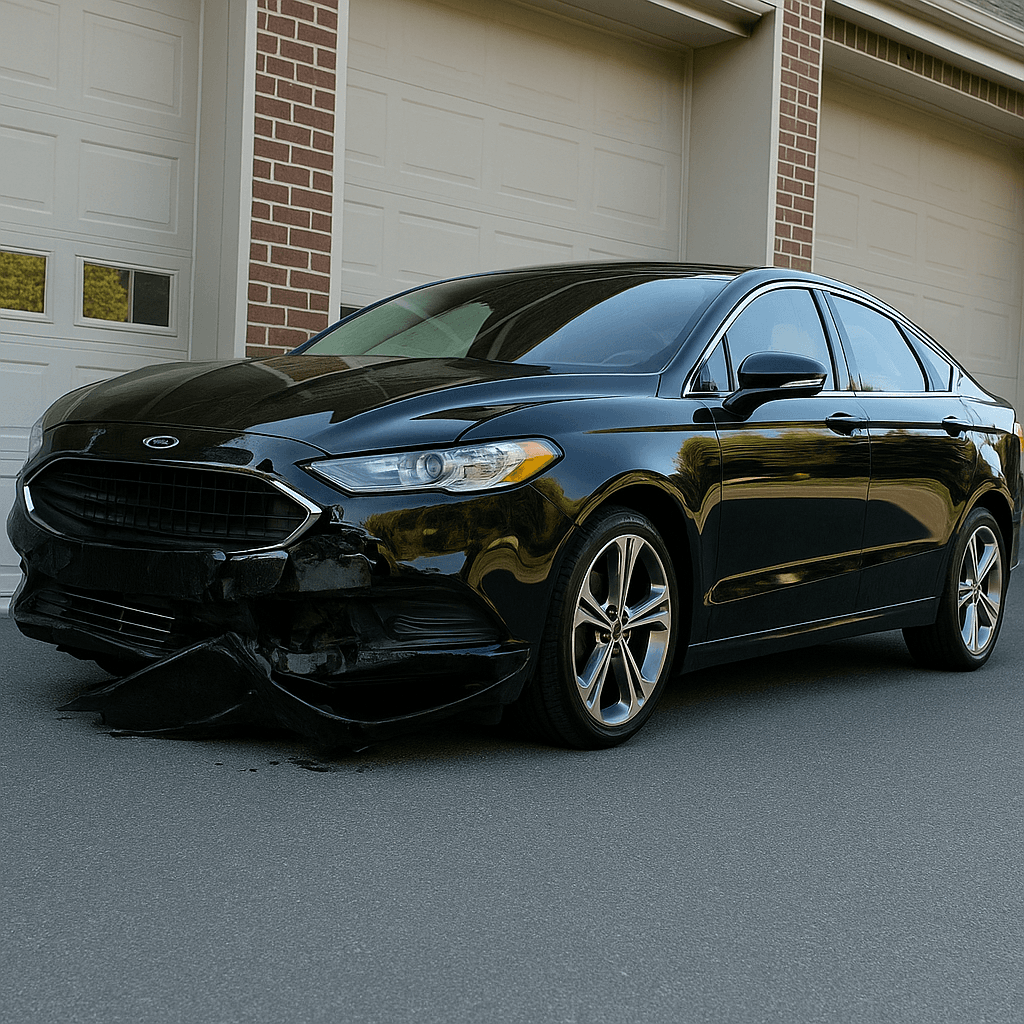
Request quotes from at least four carriers writing FR-44 in your county. Geico, Progressive, National General, and Dairyland all write FR-44 online; Bristol West, Acceptance, Infinity, and The General accept applications through independent agents. Each carrier uses a different risk model—one may weight your DUI heavily while another focuses on recent driving behavior or county ZIP code. The violation is the same, but the premium can vary by 40% based solely on which carrier's model you fit.
Pay the full six-month premium upfront when possible. Non-standard carriers charge installment fees between $8 and $15 per month when you pay monthly. Over three years, installment fees alone add $288 to $540 to your total cost. Saving two months' premium and paying semi-annually eliminates that recurring fee. If upfront payment is not feasible, prioritize carriers with the lowest monthly installment fee rather than the lowest advertised base rate—the advertised rate often excludes the installment charge.
Related Articles




Non-Owner FR-44 for Drivers Without a Vehicle
You do not need to own a vehicle to satisfy Florida's FR-44 requirement. Non-owner FR-44 policies provide liability coverage when you drive a vehicle you do not own—a friend's car, a rental, an employer's vehicle. The Florida DHSMV will accept a non-owner FR-44 certificate for reinstatement as long as the policy remains active for the full three-year filing period.
Non-owner policies cost less than standard owner policies because they exclude collision and comprehensive coverage. Monthly premiums for non-owner FR-44 in Florida typically run $95 to $160, compared to $180 to $340 for policies covering a titled vehicle. Geico, Progressive, Dairyland, and The General all write non-owner FR-44 in Florida. The application process is identical to a standard policy; the form submitted to DHSMV is the same FR-44 certificate.
Non-owner coverage does not extend to vehicles you regularly access or vehicles titled in your household. If you live with someone who owns a car and you drive it more than occasionally, DHSMV and the carrier will treat you as a listed driver on that vehicle's policy, and the non-owner policy will not respond to a claim. Non-owner works when you genuinely do not have regular access to a specific vehicle.
Non-Owner FR-44 Premium Range
$95–$160/mo
Non-owner policies eliminate collision and comprehensive coverage, which reduces the base premium by 35% to 50% compared to policies covering a titled vehicle. For suspended drivers reinstating without a car, non-owner FR-44 is the most cost-effective path to meet the three-year filing requirement.
What Happens If You Let the Policy Lapse
Florida uses the Florida Insurance Tracking System (FITS) to monitor FR-44 filings in near-real time. When your carrier cancels your policy for non-payment or you request cancellation, the carrier transmits a notice to DHSMV electronically within 24 hours. DHSMV cross-references your license and initiates suspension immediately if the three-year filing period has not elapsed.
Reinstating after an FR-44 lapse requires paying a second reinstatement fee—$45 base plus any suspension-specific fees—and filing a new FR-44 certificate. The three-year filing clock does not pause during the lapse; it restarts from the date you file the new certificate. If you lapse two years into the requirement, you owe three more years from the new filing date, not one year to complete the original term.
Compare Carriers in Your County
Monthly FR-44 premiums vary by county due to Florida's territorial rating system. Miami-Dade, Broward, and Hillsborough counties produce higher quotes than Escambia, Leon, or Brevard for the same driver profile and violation history. The difference is not your record—it is uninsured motorist density, theft rates, and litigation frequency in your rating territory. Carriers weight these factors differently, which is why comparison shopping within your county matters more than asking friends in other Florida regions what they pay.
Request quotes specifying your exact ZIP code and the vehicle you will insure (or clarify you need non-owner coverage). Generic quotes without location and vehicle data will not reflect the premium you will actually pay. Use the site's comparison tool to surface carriers writing FR-44 in your county, then request binding quotes from at least four. The lowest advertised rate is not always the lowest after installment fees, down payment requirements, and county adjustments are applied.